Fashion & Lifestyle
Fashion and lifestyle have evolved far beyond choosing what to wear or how to decorate your home. They represent a holistic approach to living intentionally—making choices that reflect who you truly are rather than who you think you should be. This shift matters because the way you dress, organize your space, spend your time, and make purchasing decisions directly impacts your daily wellbeing, self-expression, and sense of authenticity.
Modern life presents us with endless options and constant pressure to optimize everything. Yet many people feel disconnected from their own preferences, trapped in homes that stress them out, wearing clothes that don’t feel like themselves, and pursuing hobbies that add pressure rather than pleasure. This comprehensive resource explores the fundamental principles that connect personal style, home environment, sustainable living, and daily rituals into a cohesive approach to life.
Whether you’re questioning why your wardrobe feels uninspiring, wondering how to make a small space feel like home, trying to shop more ethically without doubling your costs, or searching for genuine relaxation in your daily routine, understanding these interconnected elements will help you build a life that feels authentically yours.
Creating Intentional Living Spaces That Support Your Life
Your physical environment profoundly affects your mental state, productivity, and overall happiness. Yet many people live in spaces that actively work against them—creating stress, limiting functionality, or failing to provide the psychological refuge everyone needs.
Making Small Spaces Work Harder Without Feeling Cramped
Small space living has become increasingly common, particularly in urban areas, but square meterage alone doesn’t determine how spacious a home feels. A well-designed 40m² flat can feel significantly more comfortable than a poorly planned 60m² apartment. The difference lies in understanding spatial psychology and functional design rather than simply maximizing storage.
The most common mistake is treating small spaces as storage problems to solve. While organization matters, cramming every available space with storage solutions paradoxically makes rooms feel smaller and more claustrophobic. Instead, successful small space living requires three key principles:
- Multi-functional zones that serve different purposes at different times rather than rigidly separated rooms
- Strategic emptiness that allows visual breathing room and makes spaces feel larger
- Vertical thinking that draws the eye upward and uses height rather than floor space
- Furniture that genuinely serves multiple purposes in your actual daily life, not theoretical scenarios
Consider whether you need a dedicated dining table that seats six or whether a small surface that expands when needed better serves your reality. The goal isn’t to fit everything you might theoretically want, but to prioritize what you actually use daily.
Designing Homes as Sanctuaries Rather Than Showrooms
Beyond functionality, your home should actively calm your nervous system rather than stimulate it. This isn’t about following a particular aesthetic trend, but understanding how colour, lighting, and texture physiologically affect you. Cool, muted tones generally promote relaxation, while bright, saturated colours create energy. Warm, layered lighting feels more restful than harsh overhead fixtures. Soft textures invite touch and comfort.
The tension between minimalist zen aesthetics and cosy hygge approaches isn’t about choosing the objectively better style—it’s about identifying which environmental qualities make you personally feel at ease. Some people find visual simplicity calming; others feel cold and unwelcome in sparse spaces. Neither is wrong. The danger lies in creating an Instagram-worthy home that functions as a museum rather than a living space you can relax in.
If your home constantly requires tidying to look « right, » or you feel anxious about using it normally, the design is working against you. Your space should accommodate your actual lifestyle, not force you to maintain an unrealistic standard of perfection.
Building a Sustainable Lifestyle Without Doubling Your Living Costs
Ethical and sustainable living often feels financially out of reach, creating guilt about consumption choices without offering realistic paths forward. Understanding which sustainable actions create meaningful impact versus which are largely performative helps you make better choices within your actual budget.
Identifying Where Sustainable Choices Actually Matter Most
Not all eco-friendly swaps carry equal environmental weight. Dietary changes, particularly reducing meat and dairy consumption, create approximately ten times more environmental impact than switching to eco-friendly laundry detergent. Transportation choices, energy consumption, and purchasing frequency matter far more than whether individual products carry green certifications.
This doesn’t mean small changes are worthless, but it does mean prioritizing where to invest limited money and mental energy. If your budget allows one significant sustainable upgrade, choosing secondhand furniture over buying a new eco-certified mattress, or reducing car dependency over buying organic cotton tea towels, will likely create more meaningful environmental benefit.
Navigating Greenwashing and the Sustainable Shopping Trap
The term greenwashing describes marketing that makes products appear more environmentally friendly than they actually are. Vague claims like « eco-conscious, » « natural, » or « green » often lack meaningful certification or measurable impact. Learning to spot genuine sustainability requires looking for specific, verifiable claims: third-party certifications, transparent supply chain information, and concrete data rather than emotional appeals.
Paradoxically, one of the biggest sustainability traps is buying more items simply because they’re marketed as eco-friendly. A new sustainable product still requires resources to manufacture and ship. The genuinely sustainable choice is often the item you already own, or a secondhand version of what you need. When comparing a new eco-product to a secondhand standard item, the secondhand option almost always carries less environmental cost unless the new item significantly reduces ongoing resource use—like an energy-efficient appliance replacing an extremely inefficient one.
Ethical consumption also means accepting imperfection. Waiting for the perfectly ethical, affordable option sometimes means never making a necessary purchase. Choosing affordability over perfect ethical standards isn’t moral failure—it’s recognizing that sustainable living must be financially sustainable too.
Developing Your Authentic Personal Style
Personal style extends beyond fashion trends to become a form of daily self-expression and practical decision-making. Yet many people feel disconnected from their appearance, either invisible in clothes that don’t reflect their personality or uncomfortable in outfits that feel like costumes.
Discovering Your Style Identity Beyond Current Trends
Buying trendy Instagram fashion often leaves people feeling invisible because trends are designed for mass appeal rather than individual expression. Signature style emerges when you identify consistent preferences that feel authentically you—whether that’s a particular colour palette, specific silhouettes, certain textures, or a recognizable overall vibe.
Discovering this requires looking beyond what currently fills your wardrobe (which often reflects past impulse purchases or perceived obligations) to identify patterns in items you actually reach for repeatedly, feel confident wearing, and receive compliments on that resonate with you. Consider these reflection questions:
- Which items do you put on when you want to feel most like yourself?
- What do you consistently admire when you see it on others?
- Which colours make you feel energized versus washed out when you catch your reflection?
- Do you prefer structured, tailored pieces or flowing, relaxed silhouettes?
The ongoing debate between colour identity versus silhouette consistency as the foundation of personal style doesn’t have a universal answer. Some people build style around a signature colour palette with varied silhouettes; others maintain consistent shapes in different colours. Both approaches work—the key is intentional consistency in whichever element you choose.
Building a Functional Wardrobe That Serves Your Actual Life
A capsule wardrobe—typically 30 to 50 carefully chosen pieces—aims to create maximum outfit versatility with minimal items. The mathematics work: 10 genuinely versatile pieces that all coordinate can create exponentially more outfit combinations than 50 random items that don’t work together.
The challenge lies in recognizing truly versatile clothing before purchasing. Versatility isn’t just about neutral colours—it’s about items that suit multiple contexts in your actual life, fit well enough that you’ll genuinely wear them repeatedly, and coordinate with multiple other pieces you already own. A beautiful statement piece you theoretically love but never wear isn’t versatile regardless of its colour.
The minimalist wardrobe trap emerges when people delete so much personality in pursuit of versatility that they feel like they’re wearing a uniform or costume. Your wardrobe should reflect you, not erase you. Whether you need 30 or 50 pieces depends on your lifestyle variety—someone whose life includes office work, outdoor activities, formal events, and creative pursuits genuinely needs more pieces than someone with a more consistent daily routine.
An all-neutral wardrobe offers easy coordination but can feel monotonous. A coordinated colour capsule requires more planning but often brings more joy. Choose based on whether you find pleasure in colour or prefer the simplicity of neutrals.
Cultivating Daily Joy and Meaningful Rituals
Happiness research consistently shows that daily experiences create more lasting wellbeing than occasional peak events. Yet many people endure their daily lives while waiting for vacations, weekends, or future milestones to bring happiness.
Finding Pleasure in Ordinary Moments Rather Than Just Enduring Them
The psychological trap of « I will be happy when… » (when I get the promotion, lose weight, move house, finish this project) steals your present life by constantly deferring contentment to future conditions. While working toward goals matters, daily coffee rituals and small pleasurable moments genuinely create more lasting joy than expensive holidays because they compound over time.
This doesn’t mean abandoning ambition, but rather designing morning and evening rituals that make every day feel somewhat special. These might include:
- Morning coffee or tea prepared intentionally rather than gulped frantically
- Five minutes of stretching or movement before starting work
- Evening walks, even brief ones, that mark the transition from work to rest
- Reading fiction before bed rather than scrolling screens
- Lighting candles during dinner even on ordinary weeknights
The question isn’t whether optimized morning routines or pleasure-first days create happier lives—it’s about which approach genuinely serves you. Some people thrive on structured routines; others feel constrained by them. Neither is universally better.
Choosing Hobbies That Restore Rather Than Deplete You
Hobbies should provide relaxation and enjoyment, yet some people find their leisure activities leave them feeling more exhausted than before. This often happens when hobbies you think you should want (because they’re impressive, productive, or virtuous) don’t align with what you actually enjoy.
The side hustle trap kills joy in creative hobbies by transforming play into productivity. Once you begin monetizing something you do for pleasure, it often stops feeling restorative because it now carries performance pressure and financial expectations. Not everything needs to be optimized or profitable.
Whether to take hobby classes or learn independently depends on your personality. Classes provide structure and community but require scheduling commitment. Independent learning offers flexibility but requires self-motivation. Similarly, mastering one hobby deeply brings different satisfaction than sampling many activities—neither approach is wrong, but they serve different psychological needs.
The key is honestly assessing whether an activity genuinely relaxes you or adds stress, and giving yourself permission to abandon hobbies that don’t serve you, regardless of how much you’ve invested in them or how good they look to others.
Protecting Your Personal Space and Energy in Shared Lives
Even in loving relationships and harmonious households, everyone needs personal territory—physical or temporal space that belongs solely to them. This isn’t about isolation or relationship problems; it’s about psychological restoration and maintaining individual identity within shared lives.
Creating a refuge might mean claiming a bedroom corner, carving out specific times rather than spaces, or developing a portable refuge kit (headphones, a particular playlist, a blanket, a book) that creates psychological sanctuary anywhere. A spare room sanctuary offers more privacy but isn’t essential—many people successfully create mental refuge in shared living rooms through boundary-setting and temporal rather than spatial separation.
The refuge trap emerges when sanctuary-seeking becomes hiding from life rather than recharging for it. If you’re constantly seeking refuge, that may signal that your life needs changing rather than more effective escape mechanisms. Healthy refuge use leaves you feeling restored and ready to re-engage; unhealthy refuge use is avoidance that never feels like enough.
Understanding when daily life dissatisfaction means you should change your circumstances versus accept them requires honest assessment: Are you avoiding temporary difficulties that will resolve, or are you enduring ongoing incompatibility that won’t improve without significant change? Sometimes life requires acceptance; sometimes it requires courage to change. The difference matters.
Fashion and lifestyle, when approached intentionally, become powerful tools for creating a life that genuinely reflects who you are and supports how you want to feel daily. These aren’t superficial concerns—they’re the practical building blocks of wellbeing, self-expression, and authentic living.
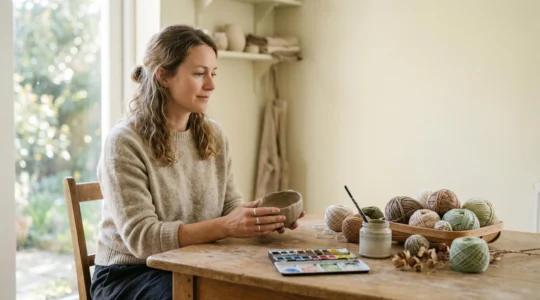
How Can You Find a Hobby That Actually Relaxes You Instead of Adding Stress?
The secret to a truly relaxing hobby isn’t what you do, but how it contrasts with the energy you spend in the rest of your life. Hobbies become stressful when they unintentionally mimic the demands of work, such as deadlines,…
Lire la suite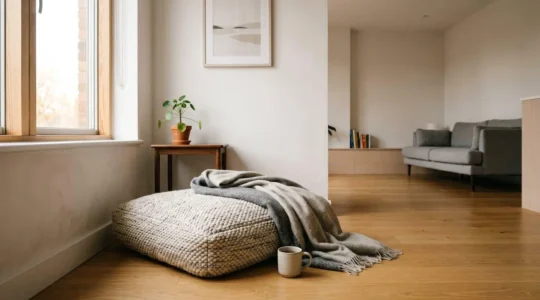
How to Carve Out a Personal Refuge in a Shared Home
The key to creating a true personal refuge isn’t about physical barriers like screens, but about engineering a sensory toolkit that actively calms your nervous system. Your need for personal territory is a biological imperative for self-regulation, not a rejection…
Lire la suite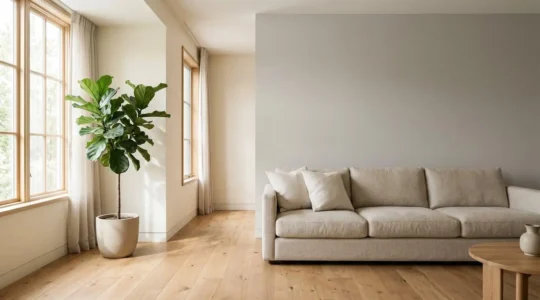
How Can You Design Your Home to Feel Like a Sanctuary, Not a Source of Stress?
The persistent stress you feel at home isn’t just about mess; it’s a biological response to cognitive overload from an environment not designed for your nervous system. Visual clutter scientifically reduces your brain’s ability to concentrate and can physically elevate…
Lire la suite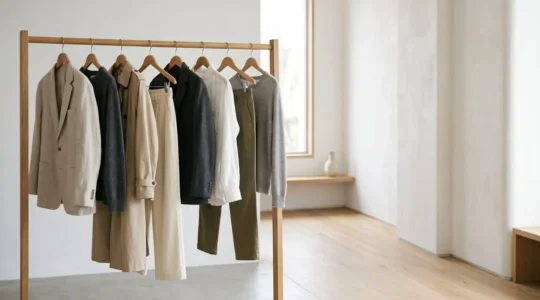
How Can You Build a 30-Piece Wardrobe That Creates 100+ Outfits?
Standing before a wardrobe packed with clothes, yet feeling you have « nothing to wear, » is a uniquely modern frustration. The common response is often a cycle of decluttering, followed by impulsive shopping that refills the space with more disconnected items….
Lire la suite
How Can You Develop a Signature Style That Feels Authentically You?
The key to authentic style is shifting from an external-in approach (copying trends) to an internal-out method (decoding your identity). Chasing fast fashion trends often leads to feeling invisible because they are disconnected from your personal identity. Discovering your style…
Lire la suite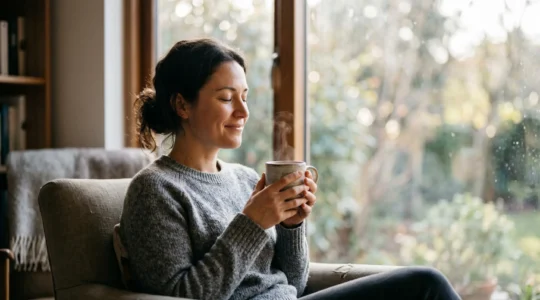
How Can You Find Joy in Ordinary Daily Life Instead of Just Enduring It?
Lasting happiness isn’t found by escaping your daily life, but by intentionally transforming it from a routine to a ritual. Small, consistent rituals provide more sustained well-being than infrequent, high-intensity events like holidays. Waiting for a future event to be…
Lire la suite
How Can You Make Ethical Purchases Without Doubling Your Living Costs?
Feeling priced out of ethical living? The secret isn’t buying expensive eco-products, but focusing your budget and energy on high-impact areas like diet and travel. This guide reveals how to make smart, affordable choices by understanding where your spending truly…
Lire la suite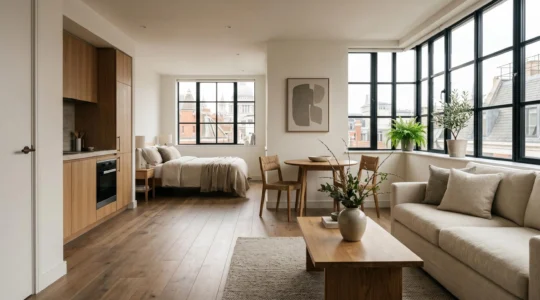
How Can You Make a Small London Flat Feel Spacious and Comfortable?
Making a small London flat feel genuinely spacious isn’t about visual tricks like mirrors or white paint. The true solution lies in understanding the psychology of space. By designing for « perceived space »—how your brain interprets an environment—and focusing on functional…
Lire la suite